

Hurricane Ian brought significant storm surge and heavy rain to Florida and the southeastern U.S., resulting in extensive flooding and catastrophic damage. NOAA’s Center for Operational Oceanographic Products and Services (CO-OPS) tracked water levels during the storm in real-time through the CO-OPS’ Coastal Inundation Dashboard web mapping application. This tool allows users to monitor elevated water level conditions along the coast when a tropical storm or hurricane watch or warning is issued. CO-OPS’ network of water level stations along the coast captured significant water levels at many locations, providing insight into the devastating impacts that Hurricane Ian had on the communities in its path. The water level observations are also critical for National Weather Service (NWS) hurricane specialists at the National Hurricane Center (NHC) who use the data for storm surge forecast validation in real-time.
Read more at: Extreme Water Levels During Hurricane Ian
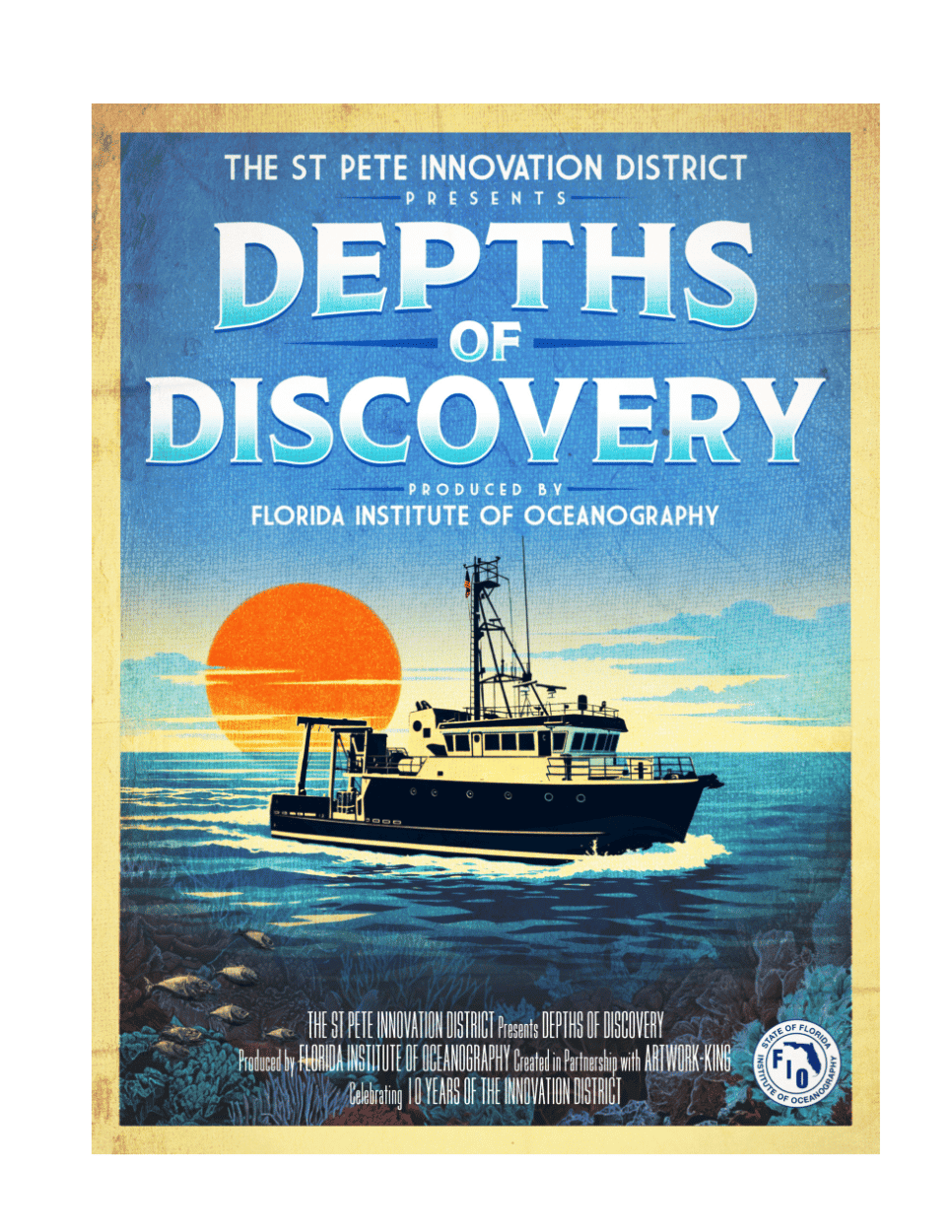
Florida Institute of Oceanography was recognized at our 10x10 Celebration in April for expanding scientific discovery and advancing efforts to better understand and protect our oceans.

See Seafloor's EchoBoat-240 ASV and HyDrone USV in action, equipped with Teledyne Marine's SeaBatT51ASV-INS30, BlueView, and SWiFT SVP.

Tech X-change is where tech enthusiasts come together to swap ideas, network, and learn from each other in a fun and interactive setting. October's speaker is Florida Institute of Oceanography.