
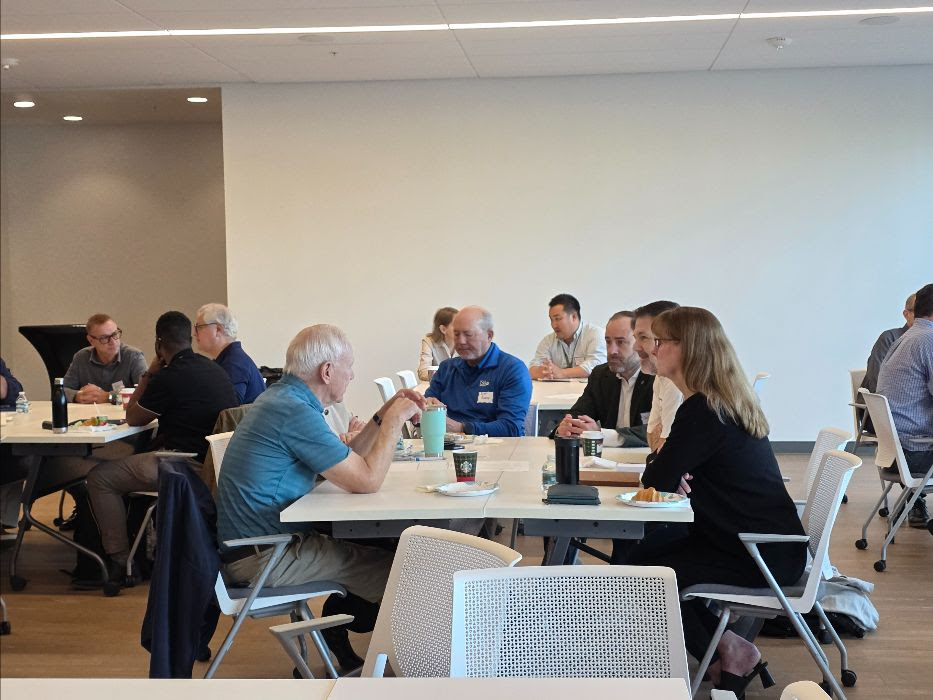
Our recent Morning Sparks event with the Tampa Bay Regional Planning Council presented an innovative idea with powerful implications. The true value of data lies not just in collecting it, but in transforming it into visual stories that people can instantly understand and use. Surrounded every day by weather forecasts, traffic patterns, and community statistics, we often do not realize how deeply data shapes our decisions. This event challenged us to rethink how data can work harder for everyone.
The presentation highlighted cost-effective tools that convert complex information into high-quality 3D models, renders, and animations. Custom interactive models, enhanced by Augmented Reality (AR) and Virtual Reality (VR), demonstrated how data visualization can move beyond static charts to become a dynamic, real-time resource for learning, planning, and problem-solving.
The discussion that followed was both engaging and imaginative. Participants explored how these tools could touch people’s lives, sparking conversations around education, community engagement, and transparency. A central question emerged, How can people learn from this technology in meaningful ways? Attendees envisioned neighbors being able to visualize how flooding might affect their own homes, helping communities better understand risk, prepare for change, and participate more fully in decision-making.
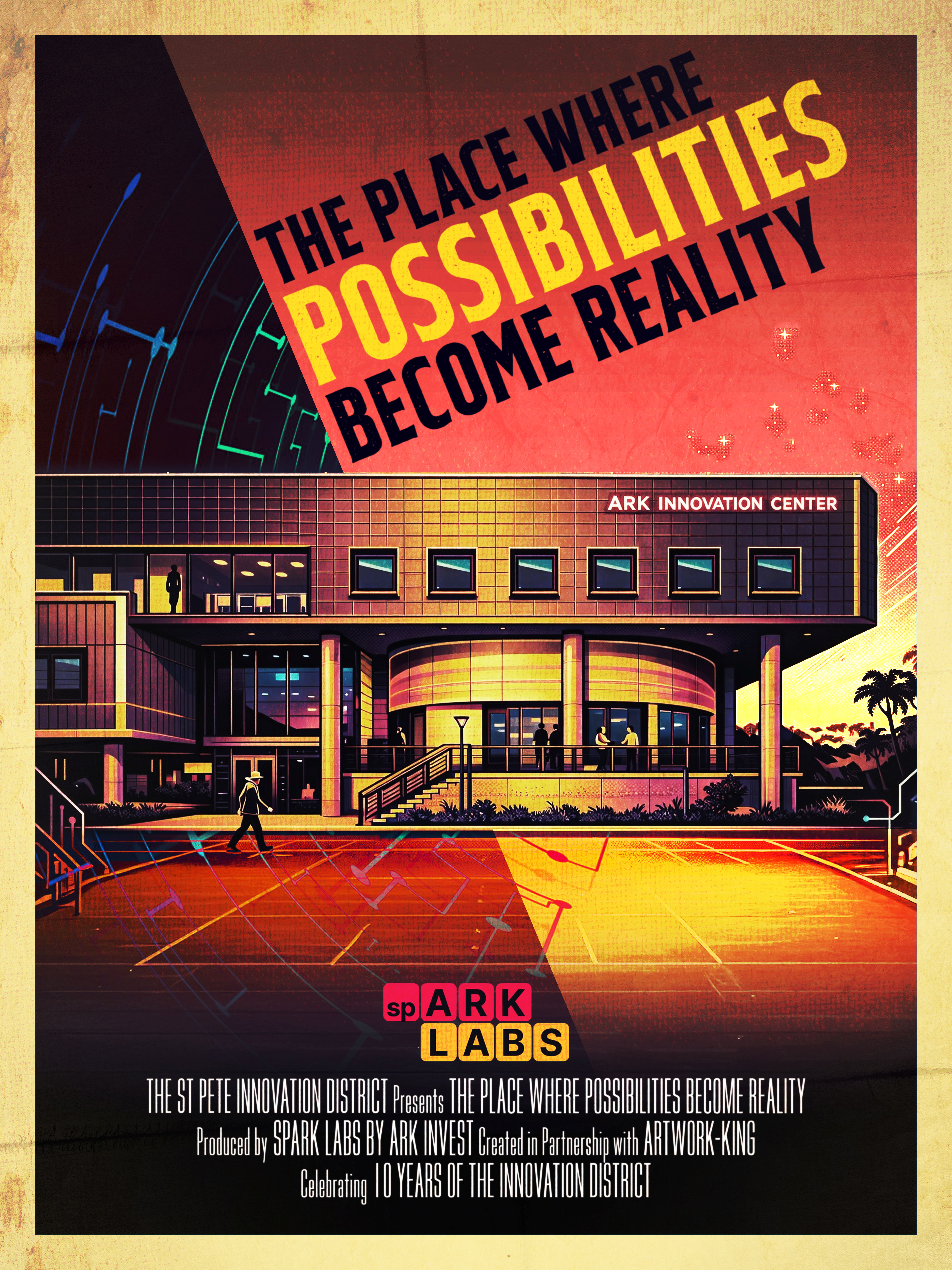
spARK Labs by ARK Invest was recognized at our 10x10 Celebration in April for being a place where founders and entrepreneurs gather to shape what the world has yet to imagine.
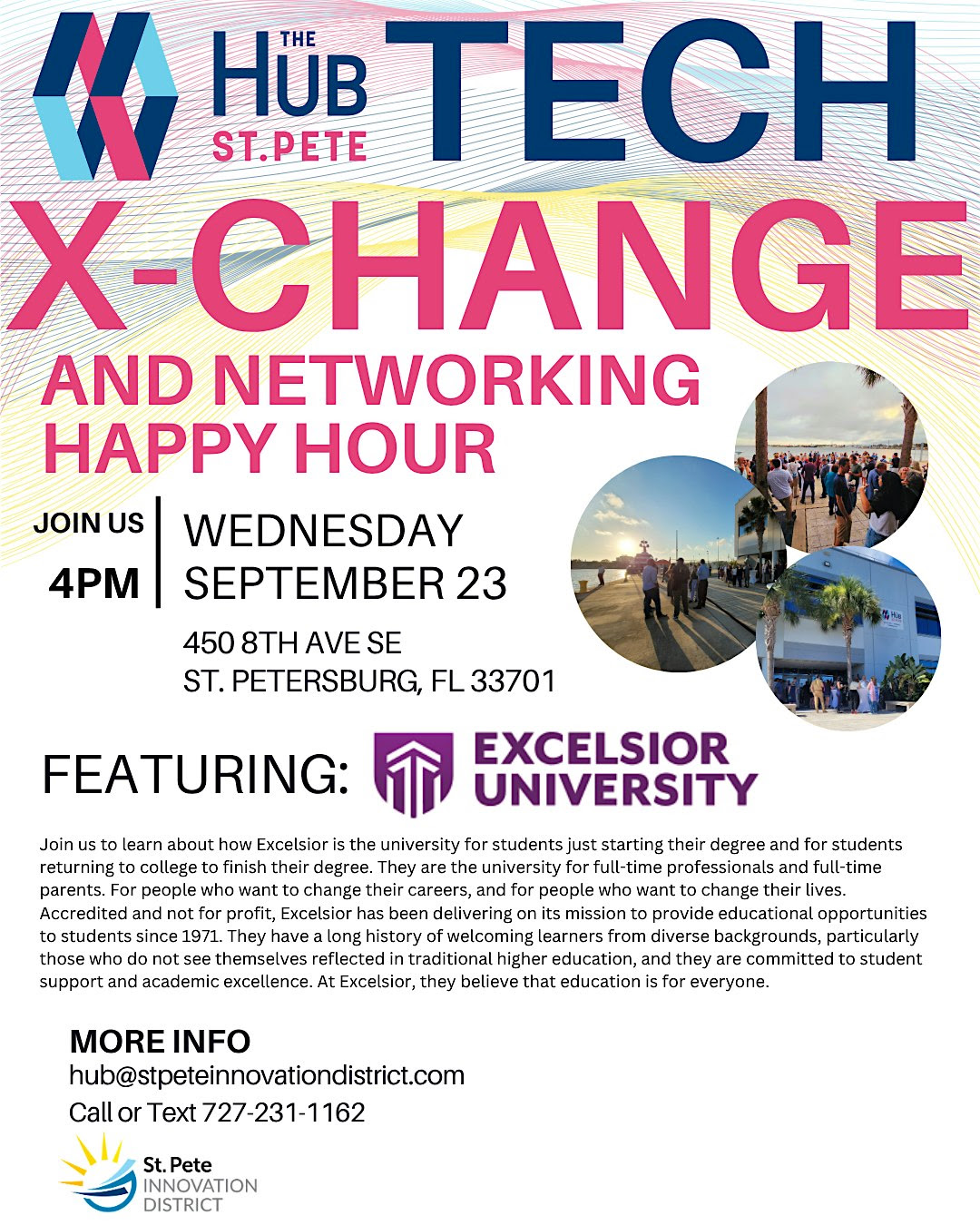
Come join us for an exciting event where tech enthusiasts gather to share knowledge, network, and have fun! Whether you're a seasoned developer or just starting out, there's something for everyone at Tech X-Change.

We're proud to announce that Boothman Global has joined the Maritime and Defense Technology Hub.